




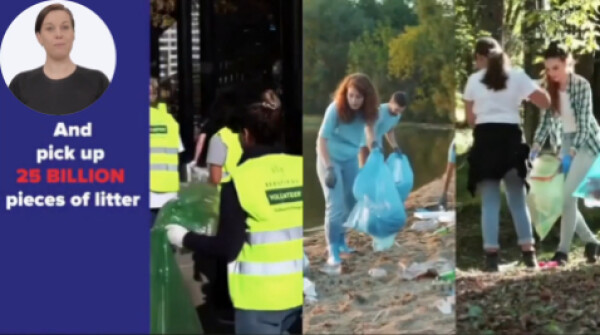
A national campaign to clean up American cities would benefit greatly from a structured, participatory system that combines clear stewardship with public accountability, similar in spirit to successful civic coordination models. Building on the legacy of organizations like Keep America Beautiful, such a system could modernize and scale beautification efforts while making them more responsive to local communities.
In this way, a modern, participatory structure does not just clean up cities. It strengthens communities, builds civic pride, and helps create urban environments where people want to live, work, and invest.
Core benefits of this kind of structure
- Clear local leadership with public accountability
Every city or neighborhood benefits from having a visible point of coordination. A designated local steward helps organize cleanups, track progress, and maintain continuity. When that role remains accountable to the public, leadership stays focused on results rather than status. Communities gain confidence that efforts are being managed responsibly and inclusively. - Consistency across cities with room for local identity
A shared national framework provides common standards for reporting, participation, and impact measurement. At the same time, local participants can tailor efforts to their city’s culture, climate, and challenges. This balance makes the campaign recognizable nationwide while still feeling locally owned. - Easier participation for everyday residents
Many people want to help improve their surroundings but do not know where to start. A standardized system lowers the barrier to entry by clearly showing how to volunteer, contribute ideas, or share observations. When participation pathways are obvious, engagement increases across age groups and backgrounds. - Faster response to visible problems
Litter, vandalism, and neglected public spaces often persist because responsibility is unclear. A coordinated system with empowered local leadership allows communities to respond quickly. Small issues can be addressed before they become chronic problems that damage morale and safety. - Collaboration instead of duplication
Cities already have nonprofits, neighborhood groups, schools, and businesses working on beautification. A shared structure helps align these efforts rather than letting them operate in isolation. Resources, tools, and best practices can be shared, reducing wasted effort and increasing overall impact. - Stronger sense of ownership and pride
When residents can see their contributions reflected in clean, well-maintained spaces, pride grows. Public accountability mechanisms reinforce the idea that beautification is not a top-down program but a shared civic responsibility. This cultural shift can lead to lasting changes in how people treat public spaces. - Better data and national visibility
A common system makes it possible to track outcomes such as cleanup frequency, volunteer participation, and long-term improvements. This data helps demonstrate success, attract funding, and inspire other cities. It also allows communities to learn from one another rather than reinventing solutions. - Long-term sustainability
Beautification efforts often fade when initial enthusiasm wanes. A structured, accountable system creates continuity beyond single events or campaigns. Leadership transitions smoothly, contributors remain connected, and progress continues year after year.
How this benefits cities across America
By combining national coordination with local accountability and collaboration, such a system transforms beautification from a series of isolated cleanups into a sustained civic movement. Cities become cleaner, safer, and more welcoming. Residents feel empowered rather than dependent on limited municipal resources. Over time, the campaign reinforces a shared national ethic that public spaces matter and that maintaining them is a collective responsibility.In this way, a modern, participatory structure does not just clean up cities. It strengthens communities, builds civic pride, and helps create urban environments where people want to live, work, and invest.


