




Many hobbies develop practical skills that carry into work, education, and daily problem solving. Others build patience, creativity, teamwork, or discipline. Even when a hobby never becomes a career, the skills gained often do. This is why hands-on learning has always been a powerful complement to formal education.
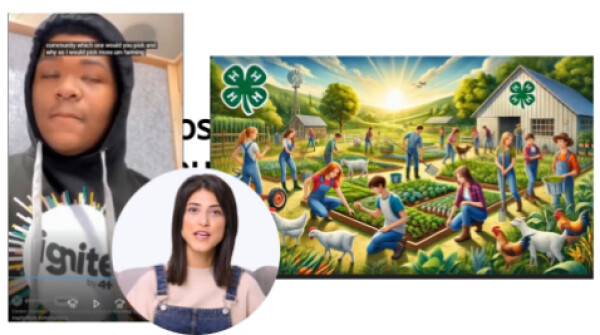
Organizations like 4-H have long recognized that skill-building works best when it is voluntary, interest-driven, and supported by mentors. At the local level, hobby communities create low-pressure spaces where people can try, fail, improve, and succeed together. Making those opportunities visible helps more people find the confidence to start.
Organizations like 4-H have long recognized that skill-building works best when it is voluntary, interest-driven, and supported by mentors. At the local level, hobby communities create low-pressure spaces where people can try, fail, improve, and succeed together. Making those opportunities visible helps more people find the confidence to start.


